English Saddle Size Guide: A Comprehensive Overview
Finding the perfect English saddle requires careful consideration of various factors, ensuring both rider comfort and effective communication with the horse․
This guide provides detailed information on determining the appropriate seat size, tree width, and overall fit for optimal performance and well-being․
Ansur® Saddlery offers patented fully-flexible treeless saddles, eliminating the need for traditional tree sizing, but proper seat size remains crucial for balance․

Understanding Saddle Seat Size
Saddle seat size refers to the measurement from the pommel to the cantle of the saddle, determining the space available for the rider’s seat․ It’s a fundamental aspect of saddle fit, impacting balance, position, and overall comfort․ Unlike tree width, which concerns the horse, seat size is primarily about the rider․
Generally, seat sizes range from 13 inches to 18 inches, with 17 and 17․5 inches being the most common․ However, this is a generalization, and individual needs vary significantly․ Ansur® Saddlery emphasizes that while charts offer guidance, personal measurements and riding preferences are key․
Choosing the correct seat size isn’t simply about a number; it’s about finding a saddle that allows for a balanced, secure, and unrestricted position․ A seat that’s too small will feel cramped, while one that’s too large can lead to instability and difficulty maintaining proper form․ Consider your discipline, as preferences can differ between dressage, jumping, and general riding․
Rider Weight and Seat Size Correlation
Rider weight is a significant factor when determining appropriate saddle seat size, as it influences how the saddle is compressed and the support needed․ Generally, heavier riders require larger seat sizes to distribute their weight effectively and prevent feeling “perched” or cramped․
According to Ansur® Saddlery’s guidelines, riders weighing 50-100 lbs may suit a 15” or 15․5” seat, while those between 85-135 lbs typically find a 16” or 16․5” seat comfortable․ As weight increases to 100-170 lbs, a 17” or 17․5” seat is often recommended․ Riders weighing 150-210 lbs may require an 18” or 18․5” seat, and those over 200 lbs may need a 19” seat․
However, these are merely starting points․ Height, build, and riding style also play crucial roles․ A rider with a longer torso might prefer a larger seat even at a lower weight, while a shorter-legged rider might benefit from a smaller seat․ Always prioritize comfort and balance over strict weight-based recommendations․
Rider Height and Seat Size Considerations
Rider height significantly impacts the ideal English saddle seat size, influencing leg length and overall balance in the tack․ Taller riders generally require larger seat sizes to accommodate their longer legs and maintain a correct riding position, preventing a cramped or overly rounded posture․
Ansur® Saddlery’s sizing chart correlates height with seat size, suggesting riders between 4’10” and 5’2” may fit a 15” seat, while those 5’ to 5’5” often find a 16” or 16․5” seat suitable․ Riders between 5’4” and 5’9” typically benefit from a 17” or 17․5” seat, and those 5’7” to 5’11” may require an 18” or larger seat․
However, leg length is more critical than overall height․ Riders with proportionally long legs may need a larger seat than their height suggests, while those with shorter legs might prefer a smaller seat․ A professional saddle fitter can accurately assess these proportions and recommend the most appropriate size․
Pant Size as a Seat Size Indicator
While not a definitive measure, a rider’s pant size can offer a preliminary indication of potential English saddle seat size․ This method relies on the correlation between pant waist size and seat dimensions, providing a starting point for saddle selection, particularly when initial fitting isn’t immediately accessible․
Ansur® Saddlery’s guidelines suggest a correlation: a 22”-24” waist often corresponds to a 15” seat, 24”-32” to a 16” or 16․5” seat, and 32”-36” to a 17” or 17․5” seat․ Larger waist sizes, like 36”-38”, may indicate a need for an 18” or 18․5” seat, and a 40” waist could suggest a 19” seat․
However, pant size is influenced by brand and cut, making it an imprecise tool․ Riders with wider hips or thighs may require a larger seat for comfort, regardless of their waist measurement․ It’s crucial to remember this is a general guideline and professional fitting is always recommended for accurate sizing․
Ladies’ Pant Size and English Saddle Size
Utilizing ladies’ pant size as a guide for English saddle seat selection requires acknowledging inherent variations in sizing across brands․ However, it can provide a useful initial estimate, especially when combined with other measurements and considerations․
According to Ansur® Saddlery’s sizing chart, a ladies’ pant size of 0-2, with a 22”-24” waist, generally correlates with a 15” or 15․5” saddle seat․ A size 4-6, corresponding to a 24”-32” waist, often aligns with a 16” or 16․5” seat․ For sizes 8-12, typically a 32”-36” waist, a 17” or 17․5” seat is often appropriate․
Larger sizes, such as 14-16 (36”-38” waist), may require an 18” or 18․5” seat, while an 18 and above (40”+ waist) could necessitate a 19” seat․ Remember, these are approximations․ Body shape, hip width, and personal preference significantly impact optimal saddle fit, making professional assessment essential for a truly comfortable and effective ride․
Gents’ Pant Size and English Saddle Size
Employing gents’ pant size as a preliminary indicator for English saddle seat size offers a starting point, but should not be the sole determinant of fit․ Variations in cut and sizing between manufacturers necessitate a cautious approach, supplemented by other measurements and professional guidance․
Based on Ansur® Saddlery’s guidelines, a gent’s pant size correlating to a 22”-24” waist (sizes 0-2) typically suggests a 13” or 13․5” saddle seat․ A 24”-32” waist (sizes 4-6) often aligns with a 14” or 14․5” seat․ For a 32”-36” waist (sizes 8-10), a 15” or 15․5” seat is frequently suitable․
Larger sizes, such as a 36”-38” waist (sizes 12-14), may require a 16”, 16․5”, or 17” seat․ A 40” waist (size 18) often corresponds to a 17․5” seat․ It’s crucial to remember these are general estimations․ Individual body proportions, leg length, and riding style all influence the ideal saddle fit, emphasizing the importance of a professional saddle fitting․

Measuring Your Seat Bone Distance
Accurately measuring your seat bone distance is a fundamental step in determining the correct English saddle size, providing a personalized assessment beyond general guidelines․ This measurement helps establish the appropriate width of the saddle seat to ensure comfortable and secure positioning․
To perform this measurement, sit on a firm, flat surface with your knees bent at a 90-degree angle․ Have someone use flexible measuring tape or specialized measuring device to determine the distance between the two prominent bony points of your seat bones․ Ensure the tape is snug but not constricting․
Record this measurement in inches or centimeters; This distance directly correlates to the internal width of the saddle seat needed for proper support and freedom of movement․ Remember that individual anatomy varies, and this measurement should be combined with other factors, like height and weight, for a comprehensive assessment․ Professional saddle fitters utilize this measurement as a key component of their evaluation․
Using a Seat Size Measuring Device
Employing a seat size measuring device offers a more precise and consistent method for determining your ideal saddle size compared to relying solely on estimations․ These devices, often featuring adjustable forks or pressure-sensitive pads, simulate the saddle seat and provide a quantifiable measurement of your pelvic angle and seat bone placement․
Several types of devices are available, ranging from simple cardboard templates to sophisticated digital systems․ When using a device, ensure it’s properly calibrated and positioned according to the manufacturer’s instructions․ Sit naturally on the device, mimicking your riding posture, and allow the device to capture your measurements․
The resulting data will indicate the optimal seat size range for your anatomy․ While helpful, remember that these devices are tools to aid in the fitting process, not definitive solutions․ Combining the device’s findings with a professional saddle fitting assessment is crucial for achieving the best possible fit․
The Importance of Professional Fitting
While self-assessment tools and guides offer valuable insights, a professional saddle fitting is paramount for ensuring optimal comfort and performance for both horse and rider․ A qualified saddle fitter possesses the expertise to evaluate numerous factors beyond seat size, including the horse’s conformation, back shape, and movement, as well as the rider’s position and experience level․
They will assess how the saddle distributes weight, identifies pressure points, and ensures freedom of movement for the horse․ A fitter will also consider the discipline in which you ride, as different disciplines require different saddle features and fits․
Don’t hesitate to contact a professional for a test ride! A professional fitting isn’t a one-time event; regular check-ups are essential as both horse and rider change over time․ Investing in a professional fitting is an investment in your partnership and well-being․
Recognizing Signs of an Incorrect Seat Size
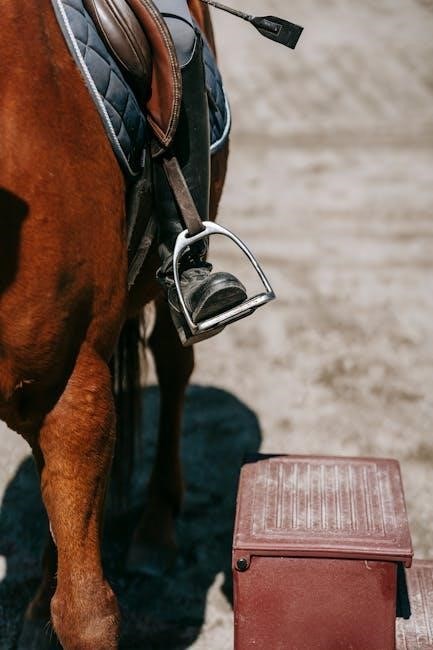
An ill-fitting seat size can manifest in various ways, impacting both rider comfort and effectiveness․ Common indicators include feeling unbalanced, constantly shifting your weight to maintain position, or experiencing discomfort in your seat bones, lower back, or thighs․
Riders may find themselves gripping with their knees or feeling restricted in their movement․ Another sign is difficulty maintaining a consistent contact with the horse’s mouth, hindering clear communication․ For the horse, an incorrect seat size can lead to uneven weight distribution, causing back pain or behavioral changes;
Pay attention to how your body feels during and after riding․ Persistent soreness or stiffness could signal a saddle that isn’t supporting your posture correctly․ Addressing these signs promptly with a professional fitting is crucial for preventing long-term issues․
Saddle Tree Width and Horse Conformation
The saddle tree width is paramount for the horse’s comfort and well-being, directly impacting the spine and shoulder freedom․ Unlike Ansur® treeless saddles which fit all horses, traditional saddles require a precise match to the horse’s conformation․
Horses with wider builds, such as those with broad shoulders or rounded backs, generally require a wider tree․ Conversely, horses with narrower builds or more angular conformations need a narrower tree․ A tree that is too narrow will pinch the horse’s shoulders and spine, causing pain and restricting movement․
Conversely, a tree that is too wide won’t provide adequate support and can lead to instability․ Assessing the horse’s musculature and skeletal structure is vital for determining the correct tree width, often requiring a qualified saddle fitter’s expertise․
Determining the Correct Tree Width
Accurately determining the correct tree width is crucial for a comfortable and functional saddle fit, especially for traditional saddles․ Unlike Ansur® treeless saddles, which bypass tree sizing, conventional English saddles demand precise measurement․
A common method involves assessing the space between the horse’s shoulder blades․ Ideally, there should be approximately 3-4 finger widths of clearance when the saddle is properly positioned․ However, this is a general guideline, and individual horse conformation varies․
Experienced saddle fitters utilize specialized tools, such as a flexible measuring device, to assess the width of the horse’s trapezius muscle and the angle of the shoulder․ They also consider the horse’s overall build and musculature to ensure a comprehensive evaluation․ Professional assessment is highly recommended for optimal results․
Gullet Size and its Relation to Tree Width
The gullet, the channel underneath the saddle, is intrinsically linked to the tree width, influencing the horse’s spinal clearance and comfort․ While Ansur® Saddlery’s treeless design eliminates this concern, traditional saddles require careful consideration of both measurements․
Gullet width is typically measured in inches and corresponds to the internal width of the tree․ A wider tree generally accommodates a wider gullet, providing more space for the horse’s spine and preventing pressure points․ However, the relationship isn’t always linear, as different saddle manufacturers may have varying gullet designs․
It’s vital to ensure the gullet is wide enough to avoid pinching the horse’s withers or restricting shoulder movement․ A properly fitted gullet allows the horse to move freely and comfortably, enhancing performance and well-being․ Professional saddle fitters expertly assess this crucial aspect of saddle fit․
Common Saddle Tree Width Measurements
English saddle tree widths are typically measured in inches and categorized to accommodate varying horse conformations․ Common widths range from 6․5 inches to 9․5 inches, though variations exist between manufacturers․
A 6․5-inch tree is generally suited for narrow-chested horses, such as Thoroughbreds or Arabians, while a 7-inch tree fits many average-build horses․ Wider trees, like 7․5 and 8 inches, are often used for horses with broader chests, like Warmbloods or Quarter Horses․ 8․5 and 9․5-inch trees cater to exceptionally wide horses․
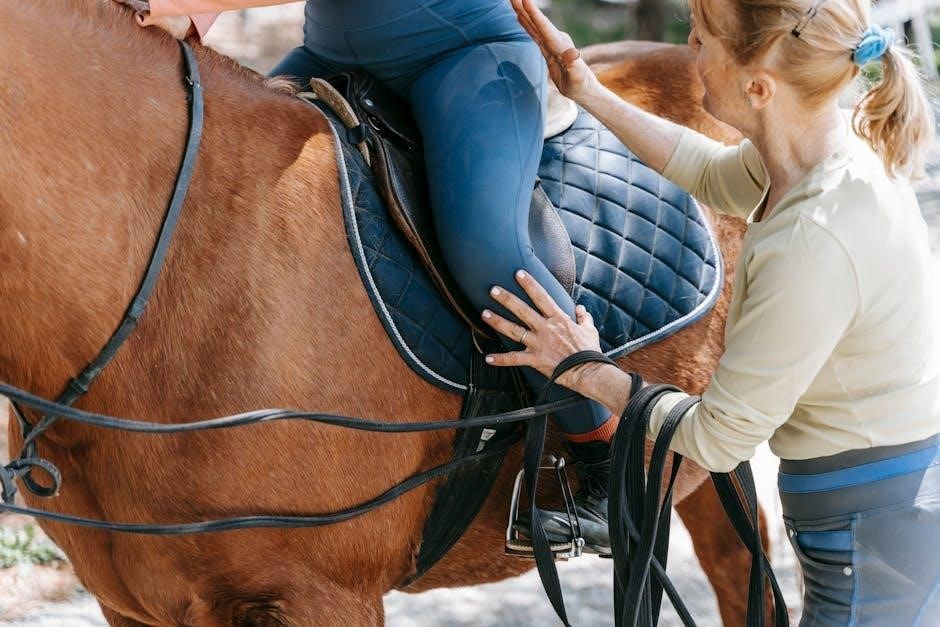
However, these are merely guidelines; individual horse conformation is paramount․ Factors like muscle development and wither height also influence the ideal tree width․ Ansur® Saddlery’s treeless saddles bypass these measurements, focusing on rider fit instead․ Accurate assessment by a qualified saddle fitter is crucial for determining the correct tree width for optimal comfort and performance․
English Saddle Size Ranges: A Detailed Breakdown
English saddle seat sizes are generally indicated in increments of half an inch, ranging from 13 inches to 19 inches․ However, the correlation between seat size and rider characteristics isn’t always straightforward․
According to Ansur® Saddlery’s guidelines, a rider weighing 50-100 lbs and measuring 4’10”-5’2” might fit a 15” or 15․5” seat, with a 22”-24” waist․ As weight increases to 85-135 lbs and height to 5’-5’5”, sizes shift to 16” or 16․5”, paired with a 24”-32” waist․ Riders weighing 100-170 lbs (5’4”-5’9”) often require 17” or 17․5” seats and a 32”-36” waist․
Larger riders (150-210 lbs, 5’7”-5’11”) may need 18” or 18․5” seats with a 36”-38” waist, while those exceeding 200 lbs could require a 19” seat and a 40” waist․ Note that Ansur® Saddlery applies extra charges for sizes outside the standard range (15․5” and smaller/18” and larger)․
Extra Charges for Non-Standard Sizes
Saddle manufacturers often impose additional costs for saddles requiring non-standard sizes, reflecting the increased complexity and material usage involved in their production․ This is particularly common for both smaller and larger seat sizes, as they deviate from typical production runs․
Ansur® Saddlery specifically notes extra charges for English saddles measuring 15․5 inches and smaller, or 18 inches and larger․ These deviations from the average necessitate customized construction and potentially specialized materials to ensure proper fit and durability․
These surcharges are not intended as penalties but rather as a fair adjustment to cover the increased manufacturing expenses․ It’s crucial to inquire about these potential costs upfront when ordering a custom or non-standard saddle․
Understanding these charges allows riders to budget accurately and make informed decisions regarding their saddle purchase, prioritizing both fit and financial considerations․
Testing a Saddle for Proper Fit
Once you’ve narrowed down potential saddle sizes, a thorough test ride is paramount to confirm a proper fit․ This isn’t simply about comfort; it’s about ensuring correct biomechanics for both horse and rider․
Begin by assessing your position – you should feel balanced and secure, with your seat bones evenly contacting the saddle․ Your leg should hang in a natural position, without being forced open or closed․ Observe your ability to maintain a consistent, effective seat during various gaits and movements․
Ansur® Saddlery encourages contacting them for a test ride, highlighting the importance of experiencing the saddle firsthand․ Pay attention to any pressure points or areas of discomfort․ A qualified saddle fitter can observe your ride and provide valuable feedback, ensuring the saddle truly complements your build and riding style․
Adjusting Saddle Fit with Pads
Saddle pads play a crucial role in fine-tuning the fit of an English saddle, addressing minor discrepancies and enhancing comfort for both horse and rider․ However, pads should never be used to correct a fundamentally ill-fitting saddle; they are adjustments, not solutions․
Different pad thicknesses and materials can subtly alter the saddle’s position and pressure distribution․ For example, a thicker pad can help lift a saddle that’s slightly too narrow, while a pad with strategically placed pockets can alleviate pressure on the withers․
It’s vital to choose a pad that doesn’t interfere with the saddle’s function or create new pressure points․ A properly fitted pad should lie flat under the saddle without bunching or shifting during movement․ Consulting with a qualified saddle fitter is recommended to determine the most appropriate pad for your specific saddle and horse․
Understanding Treeless Saddle Sizing (Ansur® Saddlery)
Ansur® Saddlery specializes in fully-flexible treeless saddles, a unique approach that bypasses traditional tree sizing requirements․ Unlike conventional saddles, Ansur® saddles are designed to conform to the horse’s individual shape, distributing weight evenly and promoting freedom of movement․
However, selecting the correct rider seat size remains paramount for balance and proper rider position․ Ansur® provides a sizing chart based on rider weight, height, and pant size to guide this selection․ Generally, riders weighing 50-100 lbs may need a 15” or 15․5” seat, while those 150-210 lbs might require an 18” or 18․5” seat․
It’s important to note that these are guidelines, and individual preferences may vary․ Ansur® encourages consultation with their team to ensure the optimal seat size is chosen․ Extra charges apply for non-standard sizes, such as English saddles 15;5” and smaller or 18” and larger․
Saddle Fit for Different Disciplines (Dressage, Jumping, etc․)
The ideal English saddle fit isn’t one-size-fits-all; it varies significantly based on the rider’s discipline․ Dressage saddles typically feature a deeper seat and longer flaps to encourage a secure, balanced position for precise movements and aids․
Jumping saddles, conversely, prioritize freedom of movement for both horse and rider․ They generally have a flatter seat, shorter flaps, and a forward flap design to facilitate a balanced jumping position․ The seat size may also differ slightly depending on the rider’s jumping style and preference․
All-purpose saddles offer a compromise, suitable for various activities but potentially not optimized for any single discipline․ Regardless of discipline, a professional saddle fitting is crucial to ensure the saddle supports the rider’s position and doesn’t interfere with the horse’s performance․
Resources for Finding a Qualified Saddle Fitter
Locating a knowledgeable and experienced saddle fitter is paramount for achieving a correct and comfortable saddle fit․ Several resources can aid in this search, ensuring you find a professional who understands both horse and rider biomechanics․
Many saddle retailers, like Dover Saddlery, can recommend qualified fitters in your area․ Organizations dedicated to saddle fitting often maintain directories of certified professionals․ Consider seeking recommendations from trainers, veterinarians, or fellow equestrians․
Ansur® Saddlery encourages contacting them for assistance and test rides, leveraging their expertise in treeless saddle fitting․ When choosing a fitter, verify their credentials, experience, and commitment to ongoing education․ A thorough fitting should involve assessing both the horse’s conformation and the rider’s position․
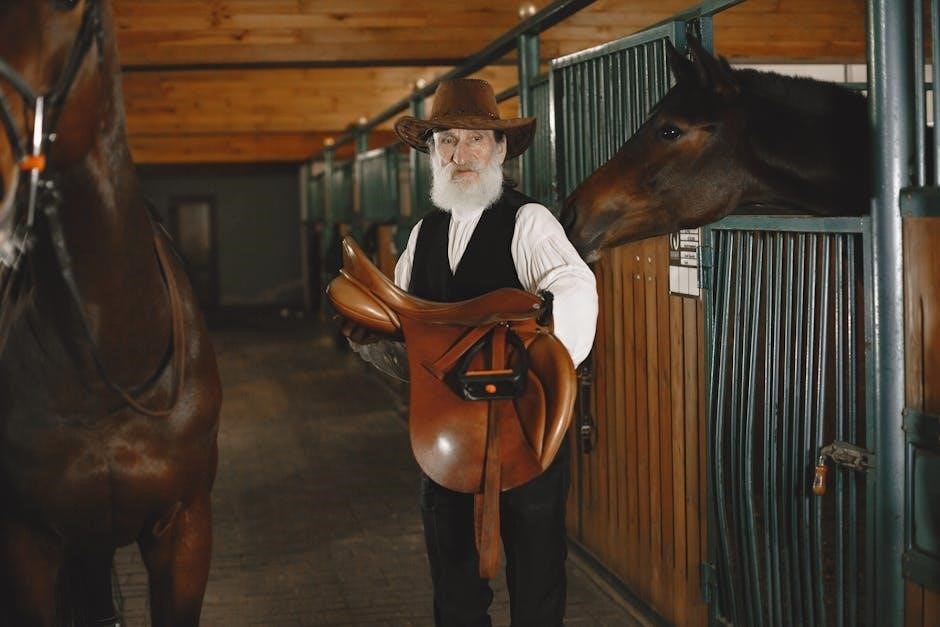
Maintaining Proper Saddle Fit Over Time
A saddle that fits perfectly today may not fit tomorrow․ Horses change shape due to muscle development, weight fluctuations, and aging, necessitating periodic saddle fit checks․ Regular evaluations, ideally every 6-12 months, are crucial for maintaining optimal comfort and performance․
Rider changes, such as weight gain or loss, or alterations in riding style, can also impact saddle fit․ Be vigilant for signs of an ill-fitting saddle, including soreness on the horse’s back, behavioral changes during riding, or rider discomfort․

Ansur® Saddlery’s treeless design offers inherent flexibility, but even these saddles require monitoring to ensure proper balance and rider position․ Adjustments, such as using saddle pads, can help fine-tune the fit, but significant changes may require professional intervention․