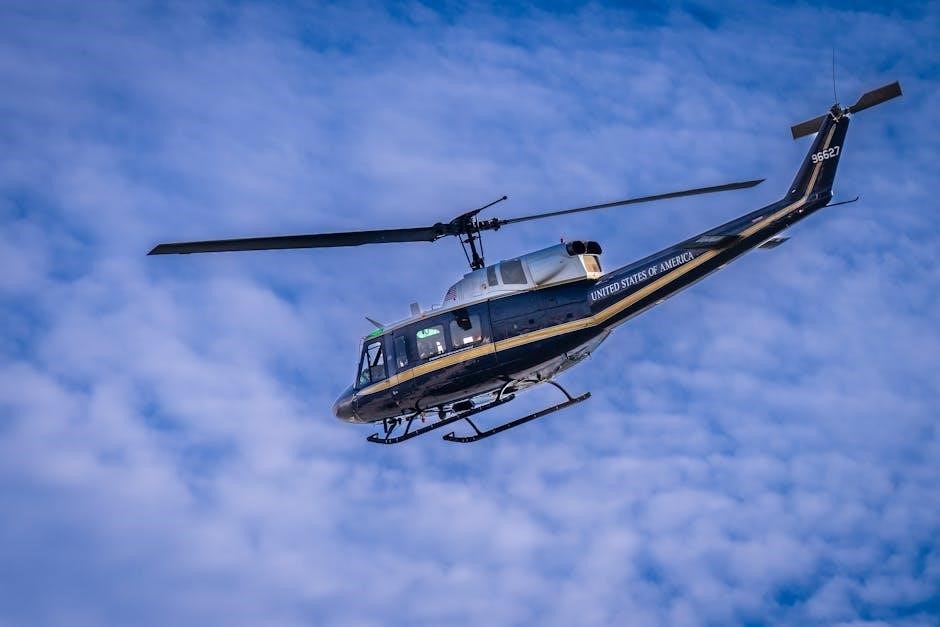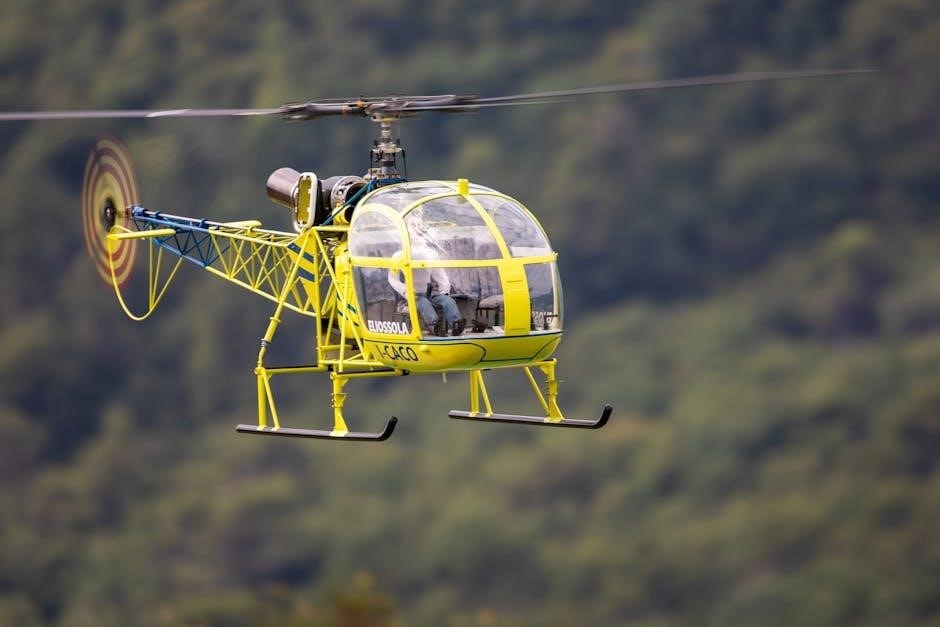
Sky Rover Stalker Helicopter Instructions: A Comprehensive Guide
This guide provides detailed instructions for the Sky Rover Stalker RC helicopter, covering everything from unboxing to advanced flight techniques and essential safety measures.
The Sky Rover Stalker is a fantastic RC helicopter, ideal for both beginners and enthusiasts seeking a thrilling flying experience. This model offers a blend of durability and performance, making it perfect for learning basic controls and progressing to more advanced maneuvers; Expect a slight wait during charging, but the reward is a stable and enjoyable flight.
This comprehensive guide will walk you through every step, ensuring safe and successful operation of your new Sky Rover Stalker.
Unboxing and Component Check
Carefully open the packaging of your Sky Rover Stalker helicopter. Inside, you should find the helicopter itself, a transmitter (remote control), a charging station (if applicable), and spare parts – crucially, replacement blades. Don’t forget the instruction manual! Ensure all listed components are present and undamaged before proceeding.
Inspect the helicopter for any visible signs of shipping damage. Verify the quantity of spare parts matches the included parts list.
Remote Controller Overview
The Sky Rover Stalker’s remote controller is your primary interface for flight. Familiarize yourself with its layout before attempting to fly. It features directional controls, throttle adjustment, and potentially trim controls for fine-tuning. Understanding each button’s function is vital for safe and controlled operation.
Pay close attention to the antenna, ensuring it’s securely connected for optimal signal transmission.
Transmitter Button Functions
The left stick typically controls the helicopter’s altitude via the throttle – up for ascent, down for descent. The right stick manages directional control: forward, backward, left, and right. Additional buttons may include trim adjustments for stabilizing flight and potentially a dedicated button for initiating specific maneuvers.
Mastering these controls is key to a successful flight experience.
Antenna Installation and Adjustment
Proper antenna installation is crucial for optimal signal strength and control range. Screw the antenna firmly onto the transmitter, ensuring a secure connection. For best results, extend the antenna fully. Adjust the antenna’s orientation; generally, keeping it vertical provides the strongest signal.
Avoid pointing the antenna directly at the helicopter, as this can cause interference.
Charging the Helicopter Battery
Before first use, and after each flight, fully charge the Sky Rover Stalker’s battery. Use only the provided charging station to prevent damage. Connect the battery securely to the charging station, and observe the LED indicator; red typically signifies charging, while green indicates a full charge.
Charging times can vary, so be patient!
Charging Station Setup
Locate a stable, flat surface near a power outlet for the charging station. Connect the charging station’s power adapter to a standard wall outlet. Ensure the adapter is securely plugged in. The station is designed for the Sky Rover Stalker’s specific battery; using other chargers may cause damage or pose a safety risk.
Verify proper connection before use.
Battery Installation and Safety
Carefully insert the fully charged battery into the designated compartment within the helicopter, ensuring correct polarity. A secure connection is vital for stable flight. Never force the battery. Always disconnect the battery when the helicopter is not in use to prevent accidental activation and potential fire hazards.
Monitor the battery during charging; do not overcharge.
Pre-Flight Check
Before each flight, a thorough pre-flight check is crucial for safety and optimal performance. Begin with a blade inspection, ensuring they are securely attached and free from cracks or damage. Next, verify the smooth operation of the motor and gear system.
Finally, confirm a sufficient battery level to prevent mid-air power loss.
Blade Inspection
Carefully examine each blade for any signs of damage, including cracks, bends, or tears. Ensure the blades are firmly attached to the rotor head and move freely without obstruction. Loose or damaged blades can cause instability during flight and potentially lead to a crash.
Replace any compromised blades immediately before attempting to fly.
Motor and Gear Check
Before each flight, verify that the motors spin freely and smoothly without any unusual noises or resistance. Inspect the gears for proper engagement and lubrication. Damaged or worn gears can significantly impact performance and potentially cause motor failure during operation.
Ensure all screws are tightened, but avoid over-tightening.
Battery Level Verification
Always confirm the helicopter battery is fully charged before flight; short battery life can lead to unexpected landings. Observe the battery indicator on the transmitter or helicopter itself. A low battery can compromise control and potentially damage the aircraft.
Be mindful of charging times, avoiding overcharging.
Basic Flight Controls
Understanding the controls is crucial for successful flight. The left stick typically manages throttle – controlling ascent and descent – while the right stick governs directional movement. Gently push forward for forward flight, backward to retreat, and side-to-side for lateral movement.
Practice smooth, deliberate inputs for stable control.
Throttle Control
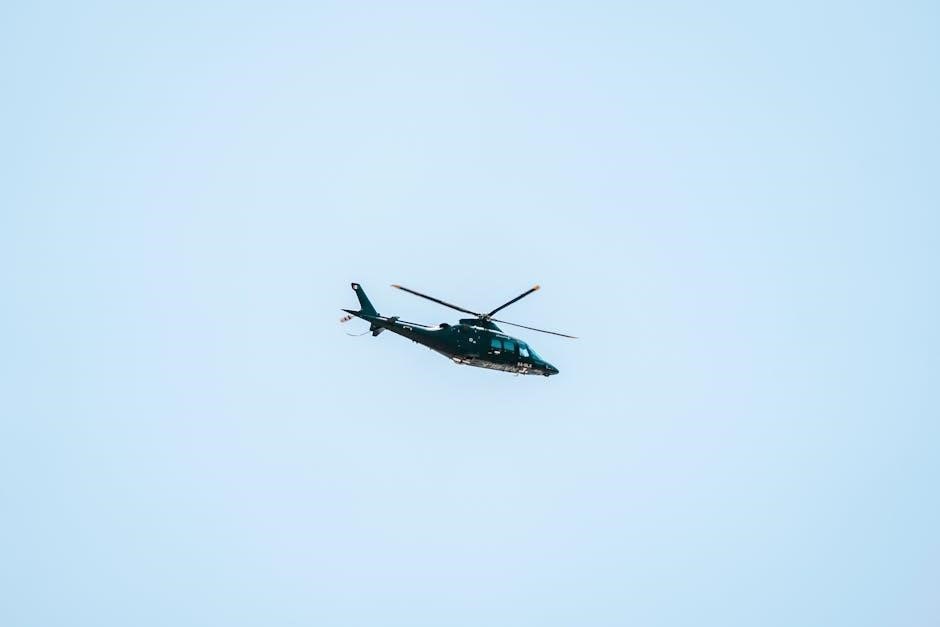
The throttle dictates the helicopter’s altitude. Increasing throttle raises the rotor speed, causing lift and ascent. Decreasing throttle reduces speed, leading to descent. Smooth, gradual adjustments are key; avoid abrupt movements. Slowly let down the power during landing for a controlled descent, preventing damage.

Practice gentle throttle modulation for stable hovering.
Directional Control (Forward, Backward, Left, Right)
Directional control utilizes the transmitter’s joysticks to maneuver the Sky Rover Stalker. Pushing forward tilts the helicopter forward, initiating forward flight. Backward tilts it back for reverse movement. Left and right joystick movements control lateral direction.
Coordinate throttle with directional inputs for precise control. Practice small, deliberate adjustments.
Takeoff and Landing Procedures
Successful flight hinges on proper takeoff and landing techniques. Gently increase throttle for a controlled ascent, maintaining a stable hover. For landing, slowly reduce power, allowing a gradual descent. Avoid abrupt movements.
Reward yourself with a safe landing, preventing damage to the arms. Remember, patience is key, especially during initial learning phases with the Sky Rover Stalker.
Safe Takeoff Techniques
Prioritize a smooth, controlled ascent. Begin by gently increasing the throttle, observing the helicopter’s response. Maintain a steady hand and avoid sudden power surges. Ensure ample overhead clearance, free from obstructions like trees or power lines.
A slight forward inclination can aid stability during lift-off. Practice in an open area, mastering the delicate balance between power and control for a safe takeoff.
Controlled Landing Techniques
Execute landings with precision and care. Slowly decrease the throttle while maintaining a stable hover, allowing the helicopter to descend gradually. Avoid abrupt throttle cuts, which can lead to a crash.
Gentle adjustments to the directional controls can refine your landing spot. Aim for a soft touchdown, minimizing impact to prevent damage to the arms or internal components.
In-Flight Adjustments
Maintaining stable flight often requires minor adjustments during operation. Utilize the trim controls on your remote to counteract drift or unwanted turning tendencies. Small corrections are key; avoid oversteering.
Observe the helicopter’s behavior and make incremental changes until it hovers steadily. Stability control features, if equipped, can assist in maintaining a level flight path, especially in breezy conditions.
Trim Adjustments
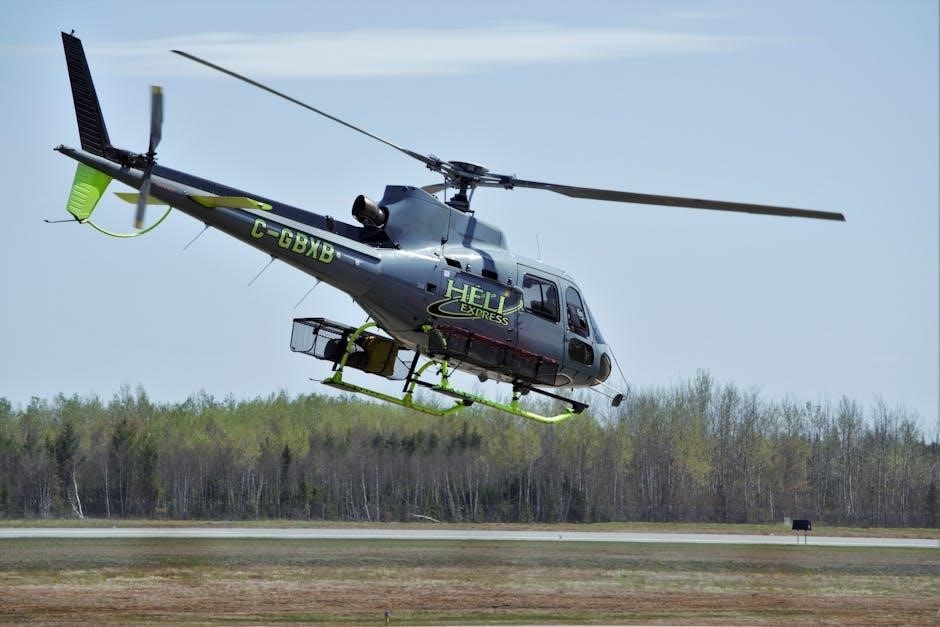
Trim controls compensate for minor imbalances causing drift. Located on the transmitter, these adjust pitch and roll. If the helicopter consistently drifts left, gently adjust the right trim. Conversely, for a right drift, use the left trim.
Small adjustments are crucial; make incremental changes and observe the effect. Avoid large, sudden movements. Proper trimming ensures stable hovering and predictable directional control during flight.
Stability Control
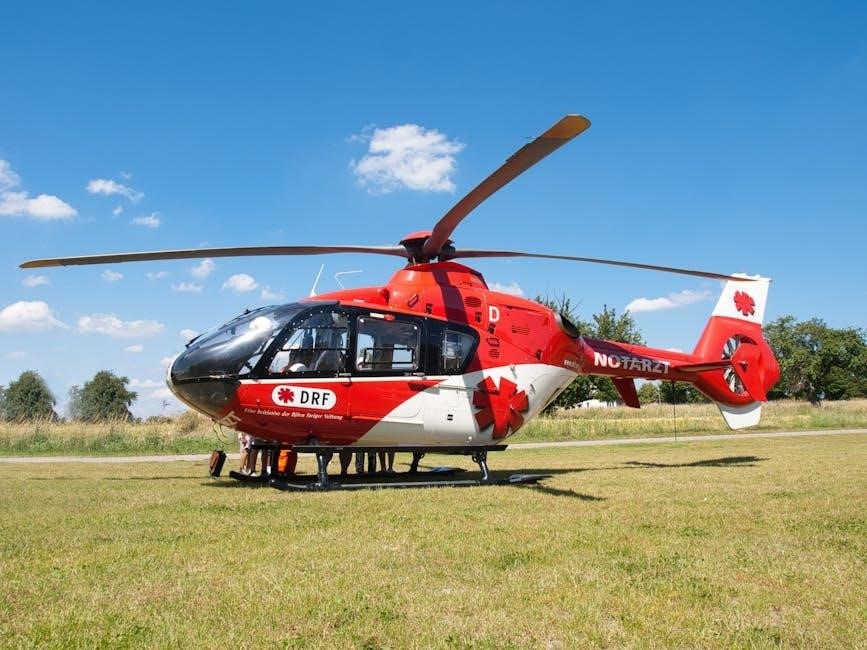
The Sky Rover Stalker utilizes a gyro stabilization system for enhanced flight stability. This system actively counteracts external forces like wind, maintaining a more consistent hover. However, it’s not foolproof; smooth control inputs are still vital.
Avoid abrupt movements, especially during takeoff and landing. Understanding the gyro’s limitations and practicing gentle maneuvers will maximize stability and improve overall flight performance.
Troubleshooting Common Issues
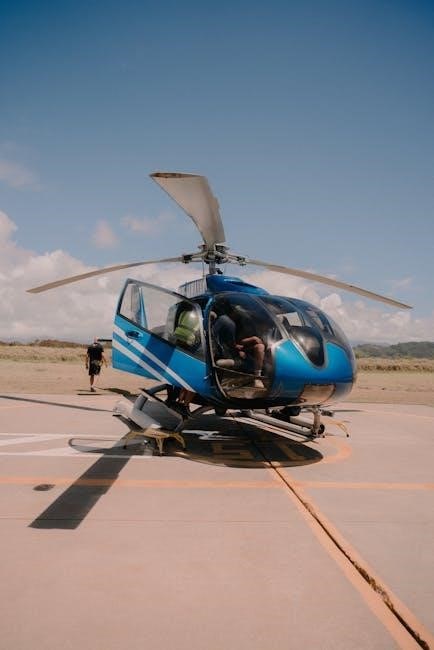
Encountering problems? Here’s a quick guide. If the helicopter isn’t responding, check the transmitter batteries and ensure proper binding. Erratic flight often indicates damaged blades – inspect them carefully for cracks or bends. Short battery life is common; allow sufficient charging time.
Remember, patience is key. A pre-flight check can prevent many issues, ensuring a smoother, more enjoyable flying experience with your Sky Rover Stalker.
Helicopter Not Responding
If your Sky Rover Stalker fails to respond, begin with the basics. First, verify the transmitter has fresh batteries and is powered on. Next, confirm the helicopter’s battery is fully charged and correctly installed. Ensure the transmitter and helicopter are properly bound – consult the manual for binding procedures.
If issues persist, try resetting both devices.
Erratic Flight Behavior
Experiencing unstable or unpredictable flight with your Sky Rover Stalker? Begin by checking the blades for any damage or warping, as even slight imperfections can cause instability. Next, examine the motors and gears for obstructions or unusual noises.
Utilize trim adjustments to correct minor deviations, and ensure you’re flying in a calm environment, avoiding wind.
Short Battery Life
If your Sky Rover Stalker’s flight time is significantly reduced, first verify the battery is fully charged using the designated charging station. Ensure proper battery installation, checking for secure connections.
Avoid prolonged high-throttle usage, as this drains the battery quickly. Consider acquiring an additional battery for extended flying sessions, and store batteries properly when not in use.
Maintenance and Care
Regular maintenance ensures optimal performance and longevity of your Sky Rover Stalker. Clean the helicopter frequently with a soft, dry cloth to remove dust and debris. Inspect blades for damage and replace them promptly if cracked or bent.
Store the helicopter in a cool, dry place, away from direct sunlight. Proper storage prevents component degradation and extends its operational lifespan.
Cleaning the Helicopter
Maintaining a clean Sky Rover Stalker is crucial for optimal flight performance; After each flight, gently wipe down the helicopter’s body with a soft, dry cloth to remove dust, dirt, and any residue. Avoid using harsh chemicals or solvents, as these can damage the plastic components.
Pay special attention to the rotor blades, ensuring they are free from debris. A clean helicopter ensures stable and reliable operation.
Blade Replacement
Damaged blades significantly impact flight stability; prompt replacement is essential. Carefully remove the broken blade, noting its orientation for correct installation of the new one. Align the replacement blade precisely with the rotor hub, ensuring a secure fit.
Double-check that all blades are firmly attached before flight. Replacement blades are readily available to ensure continued enjoyment of your Sky Rover Stalker.
Storage Guidelines
Proper storage extends the lifespan of your Sky Rover Stalker. After each flight, thoroughly clean the helicopter, removing any dirt or debris. Store it in a cool, dry place, away from direct sunlight and extreme temperatures.
Protect the blades from bending or damage during storage. Disconnect the battery to prevent accidental discharge. Following these guidelines ensures optimal performance for future flights.
Safety Precautions
Prioritize safety when operating your Sky Rover Stalker. Always fly in a spacious, open environment, free from obstacles like trees, power lines, and people. Avoid flying in inclement weather conditions – strong winds or rain can compromise control.
Maintain visual contact with the helicopter at all times. Never attempt to fly near airports or restricted airspace. Responsible operation ensures a safe and enjoyable experience.
Flying in Safe Environments
Selecting a safe flying location is paramount. Opt for large, open areas like parks or fields, ensuring ample space free from obstructions – trees, buildings, and people. Avoid areas near roads, power lines, or airports;
Confirm the area is clear of potential hazards before each flight. A calm environment minimizes risks and maximizes control, contributing to a secure and enjoyable flying experience with your Sky Rover Stalker.
Avoiding Obstacles
Maintaining situational awareness is crucial while flying your Sky Rover Stalker. Scan the surrounding area constantly for potential obstacles like trees, buildings, and power lines. Practice smooth, controlled maneuvers to navigate around these hazards effectively.
Anticipate potential collisions and be prepared to adjust your flight path accordingly. Prioritizing obstacle avoidance ensures a safe and damage-free flying experience, protecting both the helicopter and surroundings.
Weather Considerations
Optimal flying conditions are essential for the Sky Rover Stalker’s performance and longevity. Avoid flying in windy conditions, as gusts can cause loss of control and potential damage. Rain or moisture can severely impact the electronic components, leading to malfunctions.
Extreme temperatures, both hot and cold, can also affect battery life and overall performance. Always check the weather forecast before each flight and prioritize safety.
Advanced Flight Techniques
Once comfortable with basic controls, explore advanced maneuvers with your Sky Rover Stalker. Mastering hovering requires precise throttle and directional adjustments, maintaining a stable position in the air. Practice figure eight patterns to improve coordination and control responsiveness.
Gradually increase speed and complexity, always prioritizing controlled movements and safe flight practices. Remember consistent practice is key to skill development.
Hovering
Achieving a stable hover with the Sky Rover Stalker demands delicate control. Gently increase throttle until lift-off, then make small, continuous adjustments with the directional controls to counteract drift. Focus on maintaining a consistent altitude and position.
Practice in a spacious, open area, and be patient – mastering hovering takes time and coordination. Smooth, subtle inputs are crucial for a steady hover.
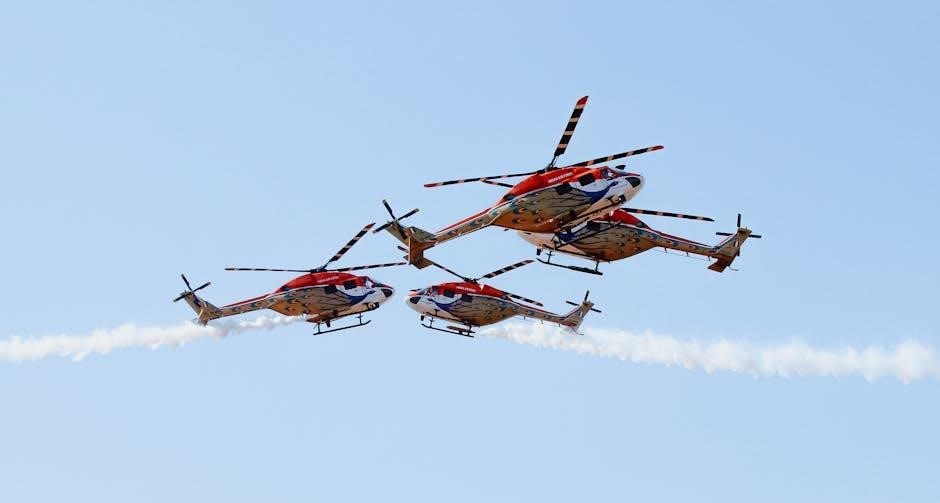
Figure Eight Maneuvers
Once comfortable with basic flight, practice figure eight maneuvers to improve coordination and control. Begin by establishing a gentle forward flight path, then smoothly initiate a turn, creating the first loop of the figure eight.
Continue the pattern, coordinating throttle and directional controls for fluid transitions. Maintain a consistent altitude throughout the maneuver, and gradually increase speed as skill improves.
Understanding the Sky Rover Stalker’s Features
The Sky Rover Stalker boasts a sophisticated gyro stabilization system, ensuring stable flight even in mild wind conditions. This feature simplifies control, particularly for beginners, by automatically correcting for minor imbalances.
Furthermore, the helicopter’s durable construction materials are designed to withstand typical bumps and minor crashes, extending its lifespan and reducing repair costs. These features combine for a reliable flying experience.
Gyro Stabilization System
The integrated gyro stabilization system is a core component of the Sky Rover Stalker, actively counteracting rotational forces during flight. This technology utilizes sensors to detect unwanted movements and automatically adjusts the rotor speed, maintaining a stable hover and controlled maneuvers.
Essentially, it simplifies piloting, making the helicopter less susceptible to wind and user input errors, providing a smoother, more predictable flying experience for all skill levels.
Durable Construction Materials
The Sky Rover Stalker is engineered with a focus on resilience, utilizing high-quality, lightweight materials throughout its construction. The frame incorporates impact-resistant polymers designed to withstand minor collisions and rough landings, extending the helicopter’s lifespan.
These materials balance durability with agility, ensuring optimal performance without compromising structural integrity, making it a reliable choice for both beginners and experienced pilots.
Spare Parts and Accessories
Maintaining your Sky Rover Stalker is easy with readily available spare parts and accessories. Replacement blades are crucial for continued flight after inevitable wear and tear or accidental damage.
Additional batteries extend your flight time, minimizing downtime between sessions. Consider purchasing a protective landing gear set for added stability and safeguarding the helicopter’s components during landings.
Replacement Blades
Sky Rover Stalker blades are susceptible to damage during operation, making replacements essential for continued flying enjoyment. Regularly inspect blades for cracks, bends, or chips; even minor imperfections can affect flight performance and stability.
Genuine Sky Rover Stalker replacement blades ensure optimal compatibility and performance. When replacing, ensure proper installation, securing them firmly to the rotor head to prevent detachment during flight.
Additional Batteries
Extend your flight time with additional Sky Rover Stalker batteries! The provided information notes a “little bit on the waiting side for charging,” highlighting the benefit of having spares readily available. This minimizes downtime between flights, allowing for continuous enjoyment.
Always use batteries specifically designed for the Sky Rover Stalker to ensure compatibility and safety. Follow the charging instructions carefully to maximize battery life and prevent damage.
Sky Rover Stalker vs. Other RC Helicopters
The Sky Rover Stalker distinguishes itself as a beginner-friendly RC helicopter, ideal for learning the fundamentals of flight. While comparisons to other models aren’t explicitly detailed in the provided text, its ease of use and suitability for novices suggest a focus on accessibility.
Other helicopters may offer more advanced features, but the Stalker prioritizes a stable and manageable flying experience.
Resources and Support
For Sky Rover Stalker pilots seeking assistance, online forums and communities dedicated to RC helicopters offer valuable troubleshooting tips and shared experiences. These platforms allow users to connect, ask questions, and learn from each other’s successes and challenges.
Direct customer support contact information is crucial for specific issues, ensuring prompt assistance when needed.
Online Forums and Communities
Engage with fellow Sky Rover Stalker enthusiasts on dedicated RC helicopter forums! These online spaces are brimming with experienced pilots eager to share advice, troubleshooting solutions, and modifications. Platforms like RC Groups and dedicated Facebook communities provide a space for asking questions, showcasing flights, and learning advanced techniques.
Sharing experiences benefits all users.
Customer Support Contact Information
For direct assistance with your Sky Rover Stalker, please consult the official product documentation first. If issues persist, reach out to our dedicated customer support team via email at support@skyrover.com. Alternatively, you can call our toll-free helpline at 1-800-SKY-ROVER (1-800-759-7683) during business hours, Monday to Friday, 9 AM to 5 PM EST.
Please have your model number ready.