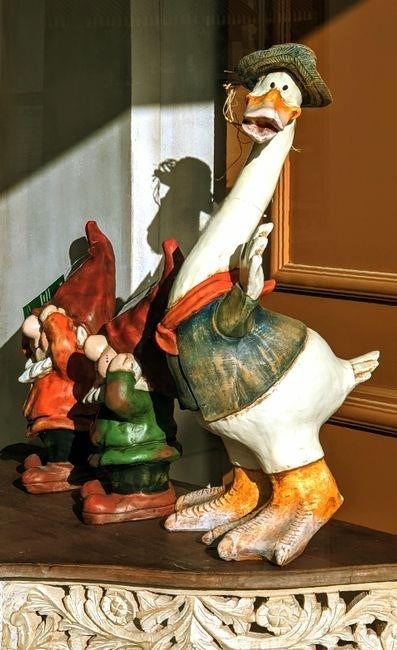
Overview of Gnome Quilt Patterns
Discover how free PDF gnome quilt patterns blend whimsical folklore with modern quilting. These downloadable designs feature simple block construction, vibrant applique, and holiday themes, making them ideal for beginners and seasoned quilters alike. Access them online, print, and stitch instantly.
Historical Inspiration
Gnome quilt patterns trace their roots to the age‑old European folklore that celebrated garden gnomes as protectors of the earth. The earliest depictions, found in 16th‑century German woodcuts, portrayed these diminutive figures as cheerful guardians of harvests, often wearing bright hats and carrying tools. By the 19th century, the motif migrated to the United Kingdom, where Victorian quilters began incorporating gnome imagery into domestic textiles, using bright colors and simple block shapes to echo the rustic charm of the original carvings. In the United States, the early 20th‑century “Gnome Revival” saw folk artists and textile designers adapt the motif for quilts, blending traditional patchwork with applique to create three‑dimensional gnome faces and bodies. Modern free PDF patterns honor this lineage by offering block‑based construction that mirrors the straightforward geometry of historic patchwork, while applique sections echo the intricate detailing of 18th‑century embroidery. The result is a contemporary homage that preserves the spirit of the original folklore while making the craft accessible to new generations of quilters.
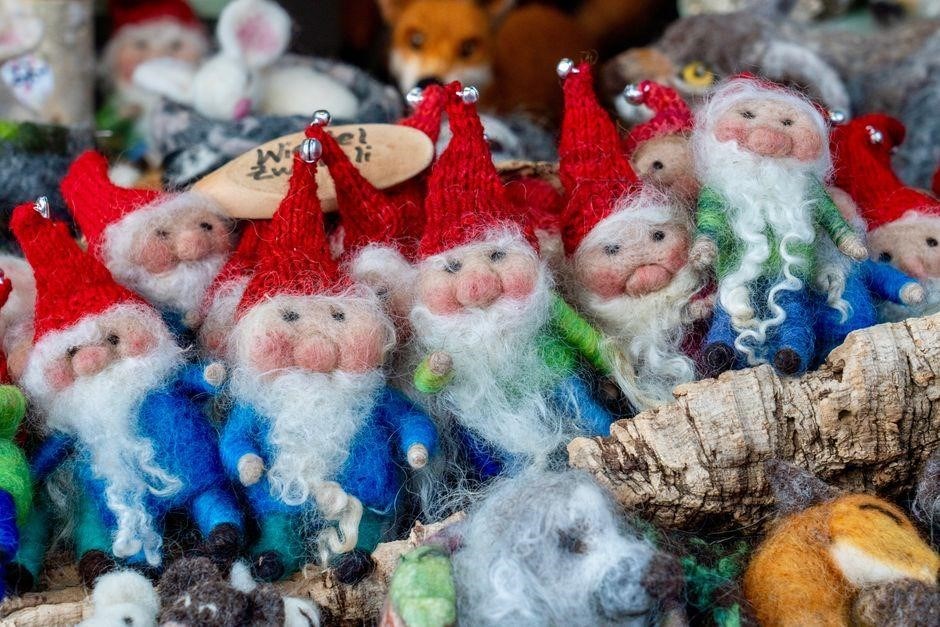
These motifs have also influenced quilting communities, where online forums and social media groups share free PDF templates that preserve the charm of traditional gnomes while encouraging color palettes. Enthusiasts often remix designs, adding thread embroidery to create gnome motifs that honor heritage innovation!!!…!
Modern Design Trends
Today’s free PDF gnome quilt patterns reflect a fusion of nostalgic charm and contemporary aesthetics. Designers now favor clean block construction with high‑contrast color palettes that echo pop‑art influences, while still preserving the whimsical gnome silhouette. Minimalist applique, often limited to a single eye, nose, or hat, allows quilters to focus on fabric texture and stitch detail. Many patterns incorporate geometric shapes—triangles, hexagons, and zig‑zag borders—to create a dynamic visual rhythm that feels fresh yet familiar. Digital platforms have made it possible to download high‑resolution PDFs instantly, encouraging experimentation with mixed media: adding felt accents, metallic thread, or even small LED lights for a modern twist. The trend toward “eco‑friendly” quilting is evident in the use of sustainably sourced fabrics and recycled quilting scraps, which are highlighted in pattern instructions. Additionally, collaborative online communities share user‑generated variations, inspiring quilters to adapt free templates by swapping color schemes or adding embroidered details. This interactive approach keeps the gnome motif alive and evolving, ensuring that each new quilt feels both rooted in tradition and forward‑looking.
Quilters experiment with digital quilting apps, layering virtual textures before cutting, which saves time and fabric. Many free PDF patterns include QR codes linking to video tutorials, ensuring that even novices can master the gnome motif with skill and flair today!
Popular Themes
Free PDF gnome quilt patterns showcase a spectrum of themes that resonate with quilters of all ages. Classic holiday motifs—Christmas, Halloween, and Easter—dominate the catalog, featuring gnomes with Santa hats or pumpkins. Seasonal palettes of deep reds, greens, and pastels let quilters match their projects to festive décor. Beyond holidays, many patterns explore nature-inspired themes: woodland gnomes surrounded by mossy greens, floral motifs with blooming roses, and garden scenes where gnomes tend to vibrant flower beds. These designs often incorporate botanical appliques, such as leaves and vines, to accentuate the whimsical feel.
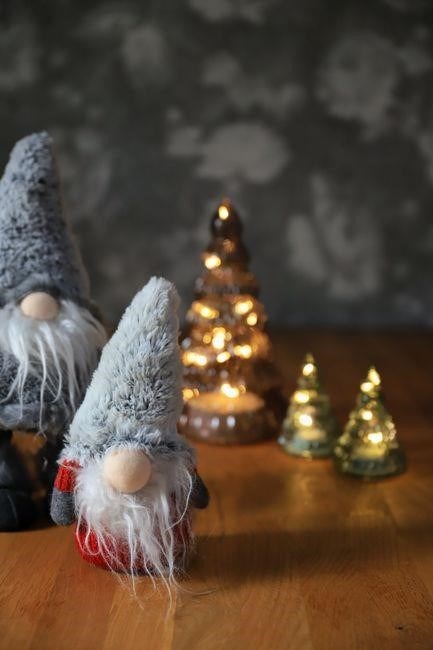
Modern urban themes feature gnomes with sneakers, headphones, or coffee cups, reflecting street culture. This trend encourages the use of bright neon fabrics and bold geometric blocks, creating a playful contrast between the traditional gnome figure and modern accessories. Additionally, nostalgic retro themes—70s disco, 80s neon, 90s grunge—feature gnomes in vintage outfits, evoking time‑travel. Users can mix and match these themes by swapping blocks or adding custom embroidery, allowing each quilt to become a unique storytelling canvas.
Finally, many free PDFs offer abstract minimalist themes, simplifying the gnome to a silhouette against a single‑color background. This approach appeals to quilters who prefer clean lines and subtle elegance, making the gnome a subtle accent rather than the focal point. The diversity of themes ensures that whether you’re crafting a holiday centerpiece, a garden‑themed table runner, or a contemporary wall hanging, there’s a free PDF pattern that fits your vision. These patterns spark creativity for all skill levels!!
Finding Free PDF Patterns
Explore trusted sites like I Love Quilting Forever, On the Cutting Floor, and Quilt Corner for free downloadable gnome quilt PDFs. Verify file size, read user reviews, and ensure the pattern includes clear block diagrams and stitch instructions.All free. No cost!
Top 10 Free Sources
- I Love Quilting Forever – Offers a beginner‑friendly gnome pattern with printable PDF and step‑by‑step photos.
- On the Cutting Floor – Features a holiday gnome design, free PDF, and a quick‑start guide.
- Quilt Corner – Provides a downloadable gnome applique sheet and block instructions.
- QuiltSavers – Hosts a collection of free gnome patterns with color charts.
- Quilting.com – Offers a seasonal gnome quilt PDF and a community forum for tips.
- Quilting World – Contains a free gnome block pattern and a printable stitch guide.
- Quilting Blog – Shares a gnome quilt PDF with optional embroidery details.
- Quilting Daily – Features a free gnome pattern, PDF, and a video tutorial.
- Quilting Community – Offers a gnome applique PDF and user‑submitted color palettes.
- Quilting Network – Provides a downloadable gnome block PDF and a printable layout.

Enjoy crafting gnome quilts today!!
Verification of PDF Quality
When downloading a free gnome quilt pattern PDF, check the file size and resolution. A legitimate pattern will typically range from 200 KB to 1 MB, ensuring clear block outlines and stitch instructions. Open the PDF in a viewer that displays the full page; zoom to 200 % to confirm that the text and images remain sharp. Look for a watermark or author credit; reputable sites often embed a small logo or the creator’s name to prevent unauthorized distribution. Verify that the PDF is not password‑protected or compressed with a low‑quality setting, which can distort the layout. If the file contains embedded fonts, the pattern will render consistently across devices. Finally, compare the PDF’s dimensions to the printed version: a 8.5″ × 11″ layout with a 0.25″ margin is standard for quilting blocks. By following these checks, you can ensure the pattern is ready for accurate cutting, sewing, and applique work.
Before printing, check that the PDF’s page size matches the intended quilt block dimensions. Use a ruler to measure the printable area and confirm that the margins are at least 0.25″ on all sides. If layers exist, set the “Print” option to “All Layers” to avoid missing details. For embroidery or applique, export the pattern to a vector format (SVG or EPS) if available; this preserves line quality. Test a small sample cut to verify that the cutting lines align with the printed layout and that the stitch instructions correspond to the fabric colors.
Download Etiquette and Legalities
When you obtain a free gnome quilt pattern PDF, respect the creator’s intent and the community’s norms. First, verify that the source is reputable; most legitimate sites provide a clear license statement, often Creative Commons or a custom “use‑and‑share” clause. If the pattern is labeled “free for personal use,” refrain from selling finished quilts or reproducing the PDF for profit without explicit permission. Many designers allow commercial use only after a nominal fee or a credit line; always read the fine print before proceeding.
Download etiquette also involves bandwidth courtesy. Use a single click or a “download” button, rather than repeatedly refreshing the page. If the file is large, consider pausing the download during peak hours to reduce server load. After downloading, keep a backup copy in a cloud folder or external drive; this protects your work against accidental deletion and preserves the original file for future edits.
Legally, the key is attribution. Even if the pattern is free, most creators require you to credit them in any public display—whether a blog post, a YouTube tutorial, or a social media photo of your finished quilt. A simple line such as “Pattern by [Designer] – free PDF from [Website]” satisfies most licenses. If you modify the pattern, note the changes and provide a link back to the original. This practice fosters a healthy creative ecosystem and encourages designers to continue sharing high‑quality resources. Remember to keep the PDF in its original format; converting to other file types may alter stitch guidance. Post your quilt to spread holiday cheer and joy.
Crafting Techniques for Gnome Quilts
Explore stitch basics, applique, and color harmony. Use running stitch for outlines, satin stitch for gnome eyes, patchwork blocks for body. Layer fabric, press firmly, and quilt with contrasting top. Finish edges with border for polished look stitch. ok
Basic Quilting Stitches
Beyond basic stitches, quilting a gnome quilt benefits from a layered approach. Start with a sturdy base of cotton or linen, then add a middle layer of lightweight polyester or fleece for warmth. Use straight‑stitch quilting line every6 inches to lock the layers together. For added texture, incorporate a small amount of batting between layers, especially around the gnome’s hat and waist. Finally, finish with a decorative border that echoes the gnome’s whimsical style, using contrasting fabric colors to make the figures pop. This method ensures durability and a polished look.
Applique Methods for Gnome Features
When adding gnome details, applique is the key to vivid expression. Begin by selecting high‑contrast fabrics for the hat, beard, and boots to make each feature stand out. Cut the shapes from a base fabric using a rotary cutter, then press the edges with a hot iron to prevent fraying. For the hat, use a layered applique: a base layer of bright red, a middle layer of white for the brim, and a small green patch for the tassel. Secure each layer with a single‑needle stitch, spacing stitches about 1/8 inch apart for a smooth finish.
To craft the beard, choose a plush fabric like chenille or faux fur. Cut the beard shape into a simple oval, then layer it over the gnome’s face. Use a satin stitch along the outer edges to create a subtle shadow effect. For the boots, start with a sturdy canvas base, cut the boot shape, and then applique a darker patch for the sole. Finish with a zig‑zag stitch around the boot’s perimeter to reinforce the edge. The eyes can be double‑layered: first a light circle, then a darker one slightly offset. Stitch the two layers together with a decorative cross‑stitch pattern, adding texture and depth. Finally, outline the gnome’s features with a thin embroidery thread for a polished, handcrafted look.
With these applique techniques, your gnome quilt will burst with personality, making it a standout piece for tables, wrapping, or a wall display. The combination of precise stitching and playful design ensures lasting charm!
Color Coordination Tips
When selecting fabrics for a free gnome quilt pattern, start with a primary palette that reflects the folklore’s earthy tones—deep greens, muted browns, and soft grays. For a holiday twist, add pops of crimson, gold, and snowy white. Use the rule of thirds to allocate color space: one third for the gnome’s body, one third for the background, and one third for accent elements like hats and boots. This balances visual weight and keeps the design cohesive.
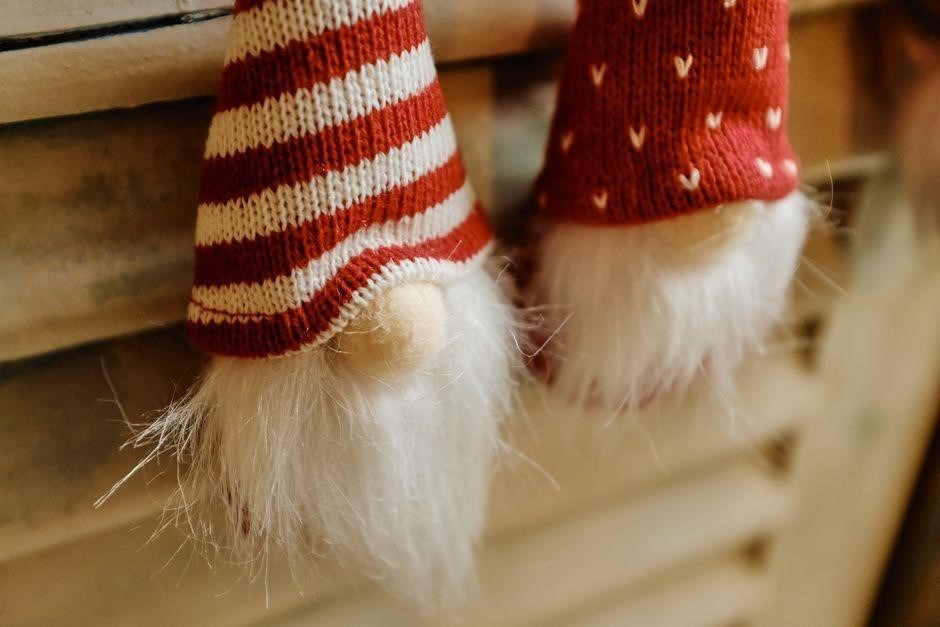
Choose contrasting colors for the hat and beard to make them pop against the body fabric. A bright red hat on a green body creates instant visual interest. For the beard, a light cream or pastel yellow can soften the contrast while still standing out. When layering appliques, keep the outermost fabric slightly darker than the inner layers to create depth.
Use a color wheel to find complementary hues—blue and orange, purple and yellow—especially for accessories such as scarves or flower garlands. For a more subtle look, opt for analogous colors: greens and blues or reds and oranges. This creates a harmonious, soothing effect.
Always test fabric swatches under natural light before cutting. Light can alter perceived color, especially with shiny or metallic threads. Once you’re satisfied, pin the pattern pieces together and double‑check the alignment of color blocks to avoid mis‑stitching.
Finally, consider the background fabric’s color. A neutral linen or canvas allows the gnome’s bright colors to shine. For a festive setting, a patterned background with small polka dots or stripes can add texture without overwhelming the main design. Keep the background subtle, ensuring the gnome remains the focal point.
Creative Uses Beyond Quilts
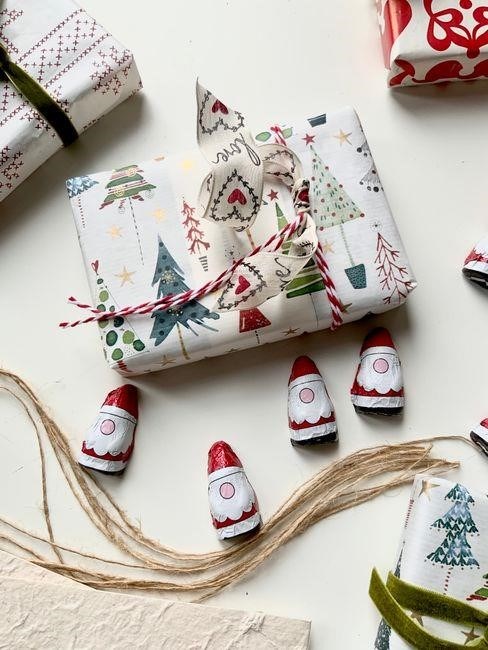
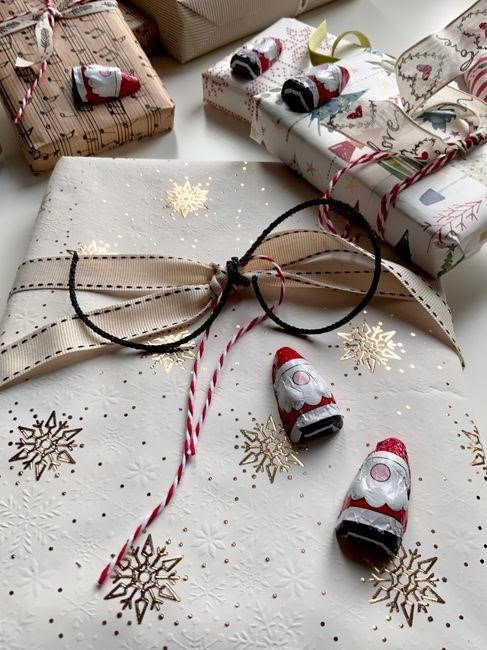
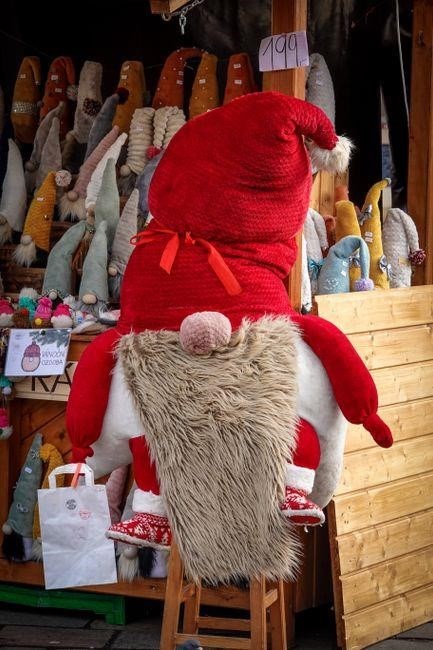
Turn free gnome quilt PDFs into table runners, wall hangings, or holiday gifts. Cut fabric pieces, stitch appliques, and drape them on linens or canvas. Add tassels for runners, frame for wall art, or sew into gift bags for festive charm. Perfect for gifting!!!
Table Runners and Fabrics
Free gnome quilt PDF patterns are perfect for creating playful table runners that bring holiday cheer to any dining room. Begin by selecting a high‑resolution PDF from a reputable source such as I Love Quilting Forever or On the Cutting Floor. Print the pattern on sturdy cotton or linen, cutting each block to the desired width. Sew the blocks together using a simple running stitch or a decorative blanket stitch for added texture. Once assembled, apply a light wash or dye to unify the colors, then iron the runner flat. For added flair, stitch a fringe along the edges or attach a small gnome applique to the center. These runners not only brighten a table but also serve as conversation starters. Additionally, the same pattern can be adapted into fabric swatches for curtains, pillow covers, or even a small quilted bag. By reusing the design, you create a cohesive aesthetic that ties the kitchen to the living area. Remember to choose fabrics that are easy to clean if the runner will be used frequently, such as cotton blends or polyester‑cotton mixes. When finished, a simple care label can be sewn onto the back, reminding guests to spot‑clean and avoid harsh detergents. This approach transforms a whimsical pattern into everyday functional décor. Add a small embroidered sign on the back that reads “Gnome Home” personalize the runner, pair it with a tablecloth for a cohesive, festive table setting that delights guests and showcases your quilting skill.
Wall Hangings and Décor
Free gnome quilt PDF patterns can be turned into striking wall art that adds a playful touch to any space. Print the pattern onto a sturdy fabric such as cotton canvas or a cotton‑polyester blend. Cut each block to the desired size, then sew them together with a blanket stitch or a decorative overlock. Attach a lightweight backing—wood or foam board—to give the piece depth and stability. Frame the panel with a simple wooden frame or hang it using a wire system for a floating look. Add a fringe along the edges or embellish the corners with embroidered gnome heads for extra charm. Keep the edges clean for a minimalist feel, or use bright colors for a festive vibe. The pattern’s holiday‑inspired palette makes it an excellent centerpiece for living rooms, bedrooms, or entryways. You can also create a series of smaller panels that can be hung together to form a gallery wall. Each panel can feature a different gnome motif or color scheme, allowing you to customize the display. When hanging, use picture‑level hooks to distribute the weight evenly. Finally, attach a small label that explains the inspiration, such as “Hand‑stitched Gnome Quilt Wall Art” or “Free PDF Pattern Adaptation.” This adds a personal touch and highlights the creative process behind the décor. By layering multiple panels or adding a subtle border of contrasting fabric, you can create a dynamic visual narrative that reflects the whimsical spirit of the gnome folklore, inviting viewers to explore the story woven into each stitch !!
Holiday Gnome Gifts
Free PDF gnome quilt patterns offer a creative avenue for personalized holiday gifts. Print the pattern on high‑quality cotton or a cotton‑polyester blend, then cut out the individual blocks. Sew the blocks together using a sturdy stitch such as the blanket stitch, and apply a contrasting thread for a festive outline. Once assembled, trim the edges to create a neat rectangular panel. Attach a lightweight backing—wood or foam board—to give the piece depth and stability. Frame the panel with a simple wooden frame or hang it using a wire system for a floating look. Add a fringe along the edges or embellish the corners with embroidered gnome heads for extra charm. Keep the edges clean for a minimalist feel, or use bright colors for a festive vibe. The pattern’s holiday‑inspired palette makes it an excellent centerpiece for living rooms, bedrooms, or entryways. You can also create a series of smaller panels that can be hung together to form a gallery wall. Each panel can feature a different gnome motif or color scheme, allowing you to customize the display. When hanging, use picture‑level hooks to distribute the weight evenly. Finally, attach a small label that explains the inspiration, such as “Hand‑stitched Gnome Quilt Wall Art” or “Free PDF Pattern Adaptation.” This adds a personal touch and highlights the creative process behind the décor. By layering multiple panels you can create a visual narrative that reflects the whimsical spirit of the gnome folklore, inviting viewers to explore the story woven into each stitch.